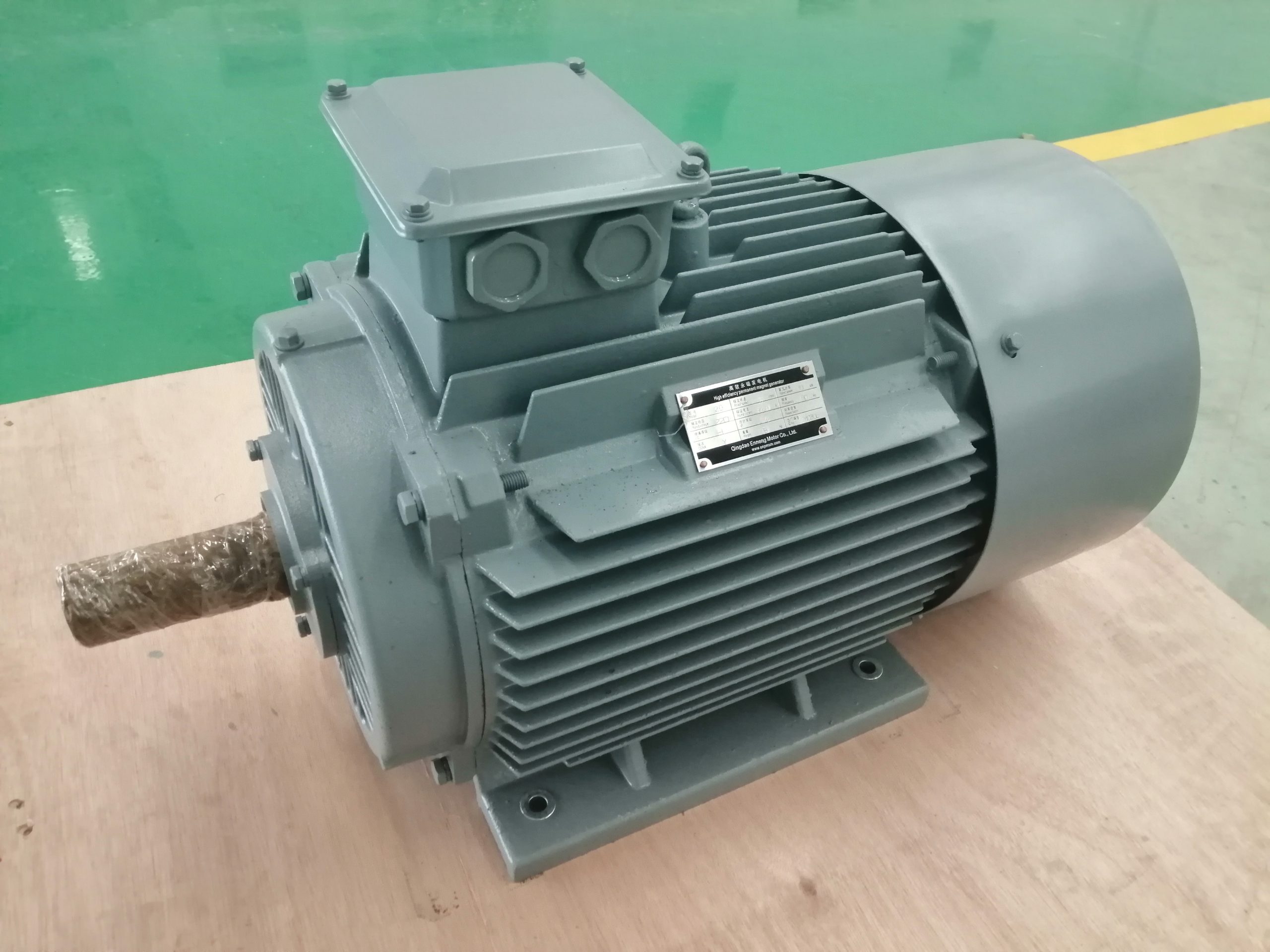
PMG generator price cannot be compared responsibly until every supplier is pricing the same operating duty and delivery boundary. A permanent-magnet generator quotation can cover only an electrical machine, or it can include bearings, cooling, converter equipment, controls, testing, documentation, and logistics. ENNENG’s archived material identifies permanent-magnet generator activity and customizable project parameters, but it does not publish a verified universal price list. This guide explains what changes a project quotation and how buyers can compare offers without inventing a cost from incomplete catalog data.
Fix the required operating envelope
Begin with the prime mover and load. Record continuous and maximum mechanical speed, normal operating range, continuous torque, temporary torque, direction, overspeed condition, and time spent at each point. State whether the generator is driven by wind, water, an engine, a turbine, or industrial equipment. The same electrical output at different speeds can lead to a different electromagnetic design, frame, cooling arrangement, and mechanical interface.
Separate measured values from estimates. For a retrofit, provide nameplates, operating logs, drawings, and measurements from the current installation. For a new machine, identify the source of the speed and torque model and any margin already included. Do not stack an undocumented margin on top of another supplier’s allowance; ask bidders to disclose their design assumptions.
A quote based only on kilowatts leaves too many decisions open. The project team needs a speed-torque envelope, duty cycle, expected starts or transients, braking or back-driving states, and maximum safe speed. These inputs let suppliers propose a defensible machine rather than attach a price to a generic power label.
Define voltage, current, frequency, and power electronics
State the required output voltage and whether it must remain within a specified range across variable speed and load. Clarify phase count, frequency behavior, current, power factor or rectifier interface, grounding, insulation, and protection. If the raw generator output feeds a rectifier, inverter, battery system, or grid converter, identify the equipment and DC-link or input requirements.
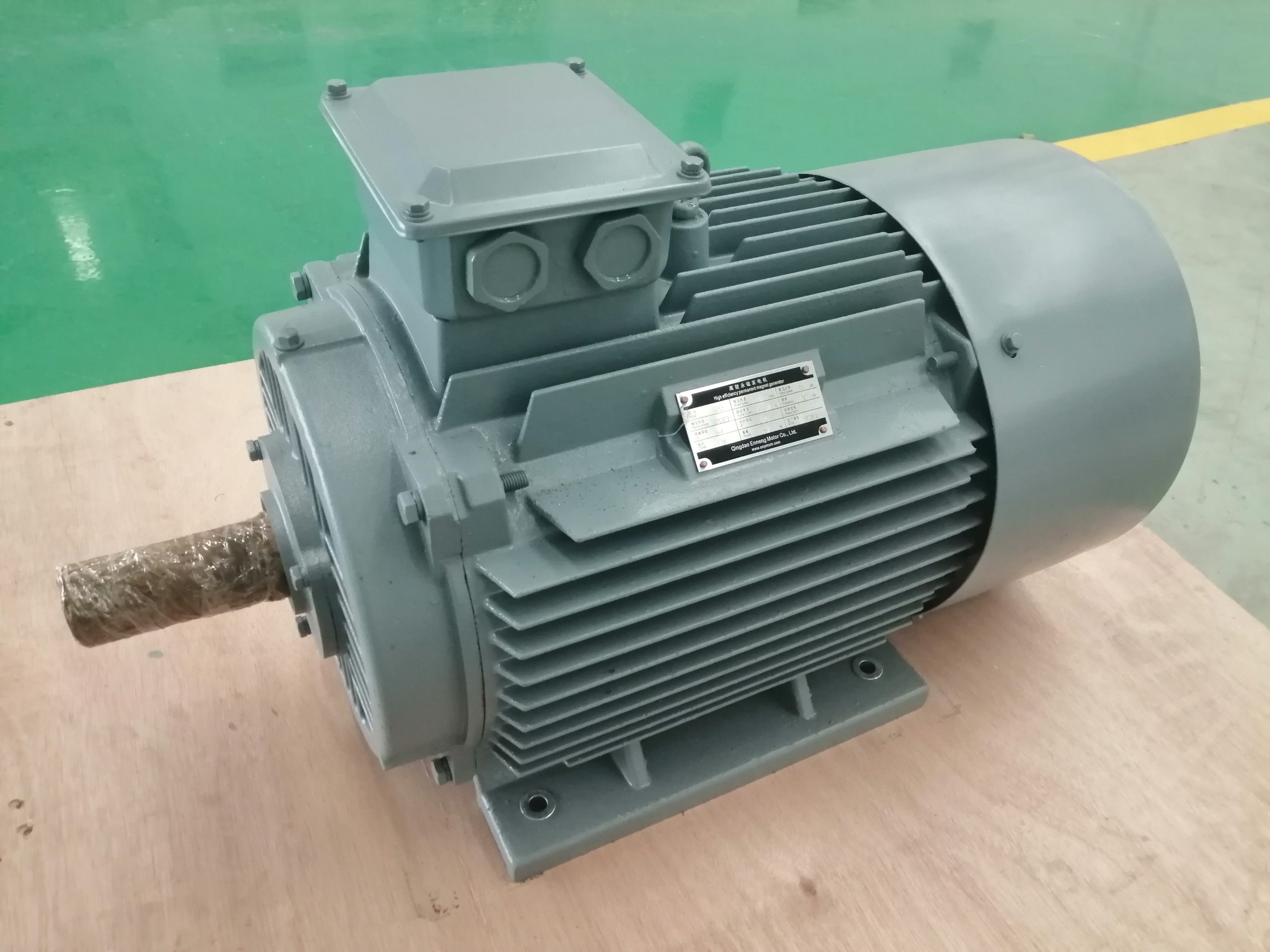
Variable-speed generation often depends on power electronics to deliver usable electrical output. The generator and converter should therefore be reviewed as one system. Ask who owns generator electromagnetic data, converter selection, control tuning, protection coordination, harmonic limits, and compliance testing. A converter can materially change the supplied scope and the PMG generator price.
Cable length, switchgear, transformer, filters, sensors, and grid interconnection may be outside a motor or generator manufacturer’s offer. Put them on a single-line diagram and mark the commercial owner of each item. Two quotations with similar machine prices can produce very different installed costs if one excludes the electrical balance of plant.
Make the mechanical boundary visible
Provide a dimensioned general arrangement for the prime mover, generator, support, coupling, and bearings. Specify shaft details, flange or feet, radial and axial external loads, orientation, alignment, torque reaction, permissible mass, and installation envelope. State whether the generator has its own bearings or depends on the driven assembly. For direct-drive machines, diameter, transport route, lifting, and site assembly can become major design and cost factors.
The U.S. National Renewable Energy Laboratory’s advanced permanent-magnet generator topologies work illustrates that magnet mass, electrical steel, geometry, and manufacturing approach are active design variables. It should not be used to estimate an ENNENG quote, but it shows why power alone cannot define material content or production method.
For replacements, survey the actual installation. Foundation condition, shaft centerline, access, cooling route, guarding, and removal sequence can alter the supply scope. Ask for a responsibility matrix covering the coupling, base, adapter, bearings, guard, alignment, lubrication, cooling connections, and final drawings. An excluded adapter or support can erase an apparent price advantage.
Specify environment and cooling
Give the ambient temperature range, altitude, humidity, salt or chemical exposure, dust, ingress requirement, indoor or outdoor location, ventilation, and nearby heat sources. Add any applicable hazardous-area or marine requirement. These conditions influence enclosure, materials, coatings, seals, insulation, sensors, and certification work.
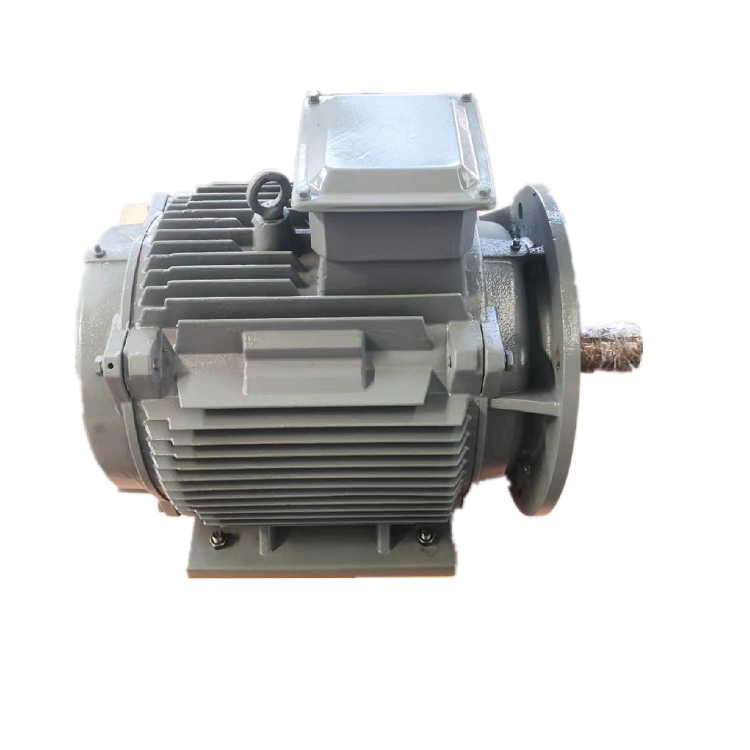
Define cooling utilities and ownership. Air-cooled, liquid-cooled, and externally ventilated arrangements have different auxiliaries, maintenance needs, and package boundaries. If cooling water is available, state inlet temperature, flow, pressure, and quality. If fans or pumps are included, confirm their supply voltage, redundancy, alarms, and input power.
Ask the supplier to show continuous capability against the specified environment and duty. Avoid accepting a rating without its cooling and ambient basis. A compact machine may require additional cooling hardware that a larger alternative does not. Compare total package scope and site burden, not only generator dimensions.
Understand the material and design drivers
Permanent magnets, electrical steel, copper, structural steel, bearings, insulation, cooling hardware, sensors, and enclosure parts all contribute to the machine. Their quantities depend on topology, torque, speed, thermal limits, mechanical loads, and production method. Quality control and traceability also have a cost, especially where material certificates or special inspection are required.
NREL’s older WindPACT drivetrain study compared generator concepts and showed that magnet choice, configuration, mass, and material assumptions can change relative cost. Its historic values and wind-turbine context must not be reused as a current supplier price. The useful lesson is narrower: design architecture and material selection need to be known before a cost comparison is meaningful.
Custom dimensions, a new electromagnetic design, low production volume, unusual voltage, special bearings, or project-specific qualification can add engineering and tooling work. A repeat configuration may have a different commercial basis from a first article. Ask the bidder to separate nonrecurring engineering, tooling, prototype tests, and unit price when that distinction matters.
Define tests, documents, and compliance
List the required routine, type, witness, and system tests. Identify standards, tolerances, instruments, stabilization periods, and report format. A basic routine test and a witnessed performance program are not equivalent deliverables. Full-load testing may require a particular facility or agreed alternative method, which can affect price and schedule.
Specify the document package: data sheet, outline and interface drawings, electrical diagrams, material or process records where required, test reports, manuals, spare-parts list, packing plan, and digital files. State the review language, number of revision cycles, and approval milestones. Documentation work becomes expensive when it is discovered after the purchase order.
Certification and grid requirements must be named precisely. Do not ask for “international certification” without a jurisdiction, standard, and responsible assembly. A component certificate does not automatically certify the complete generating system. Ask each bidder to list what is included, what is available at extra cost, and what remains the customer’s responsibility.
Compare logistics and commercial scope
Record the delivery term, destination, packing, corrosion protection, transport restrictions, insurance, taxes, commissioning, training, spares, and warranty boundary. Large or heavy machines can need special packing, route checks, lifting plans, or site assembly. These items may sit outside the factory price while remaining necessary for installation.
Check schedule assumptions as carefully as price. Engineering approval, long-lead materials, tooling, test-facility booking, document review, and shipping all contribute to delivery. Ask for milestone dates and the information the customer must return to keep them. An unrealistically short lead time is not an advantage if it excludes review and testing that the project requires.
Compare bids in a compliance table. Use rows for the operating envelope, electrical interface, mechanical boundary, cooling, protection, tests, documents, logistics, warranty, assumptions, and exclusions. Normalize currency and commercial terms only after the technical scope is aligned. Keep optional items visible rather than merging them into an unexplained total.
Ask for a traceable quotation
A traceable quotation identifies the offered configuration, revision, duty, limits, scope, assumptions, exclusions, validity, schedule, and acceptance basis. It should point to a data sheet and interface drawing. If a supplier cannot price a missing interface, the quotation should list the needed input and mark the amount provisional instead of silently assuming a convenient condition.
Avoid using a web article to produce a budget number. Public prices rarely share the same torque, voltage, cooling, bearing, test, and logistics boundary as an industrial project. A budgetary estimate may still be useful, but it should state its basis and uncertainty. A firm offer should follow technical clarification and controlled documents.
ENNENG’s permanent magnet generator overview and PMSG page provide category context. They do not replace a project data sheet or commercial offer. Use the selection guide to assemble the inputs, then request a scoped quotation with the operating envelope and interface drawings attached or described.
Evidence boundary
This article uses ENNENG knowledge record CAND-007 for the existence of permanent-magnet generator activity and its explicit restriction against turning customizable attributes into universal availability, price, life, or certification claims. CAND-010 supports the existence of customization service while excluding unlimited capability and guaranteed payback. Both remain company-source candidates pending formal knowledge admission. External context comes from NREL’s Advanced Permanent Magnet Generator Topologies and WindPACT drivetrain study. These research sources explain design variables; they do not quote, certify, or endorse an ENNENG generator.