Low-RPM Permanent Magnet Generator
Low rotational speed does not remove the need to define voltage behavior, cooling and the accepted electrical boundary.
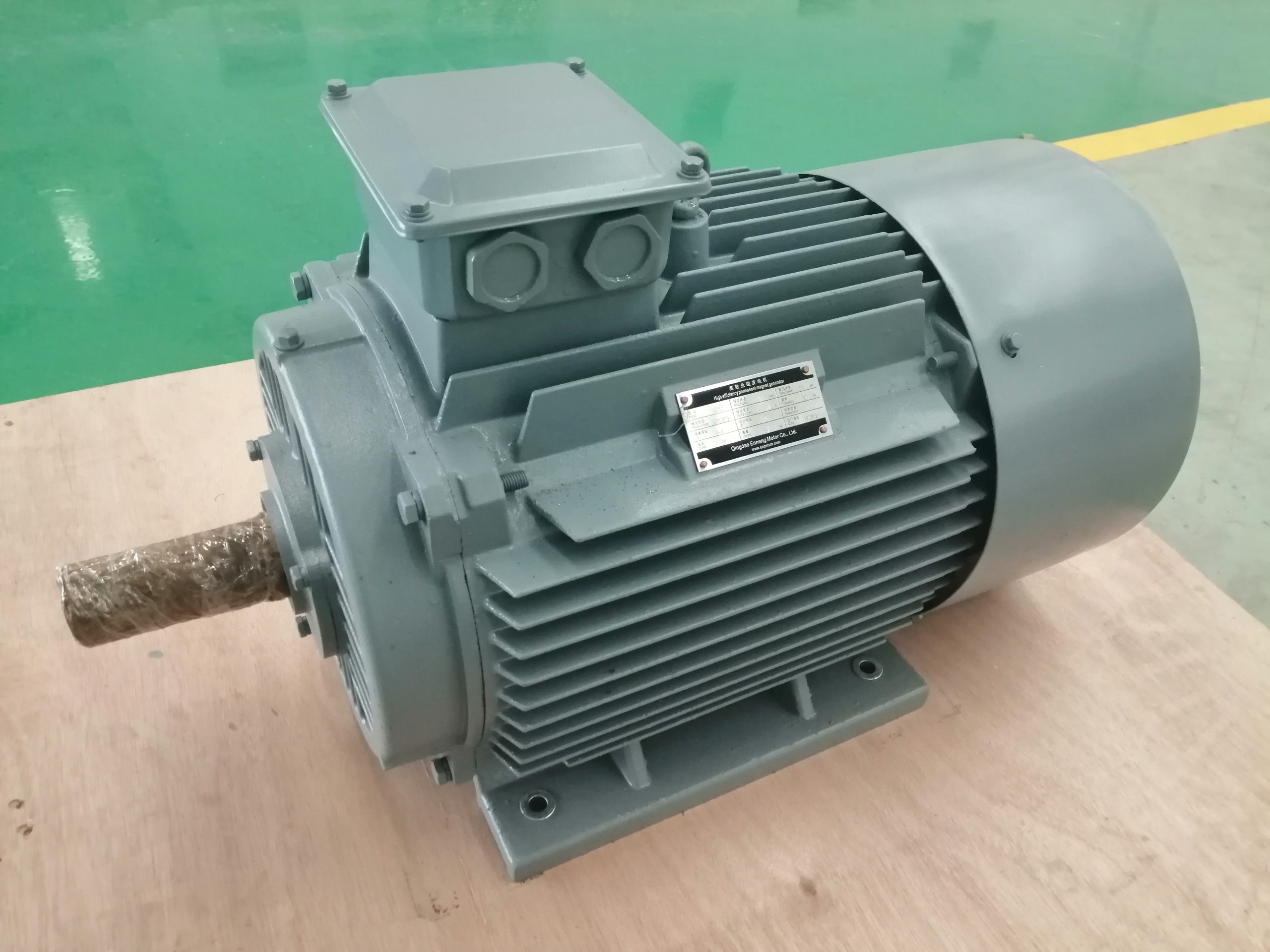
Review the machine, interfaces and evidence together.
Archived ENNENG images provide product and application context. They do not replace current order drawings, inspection records or certificate copies.
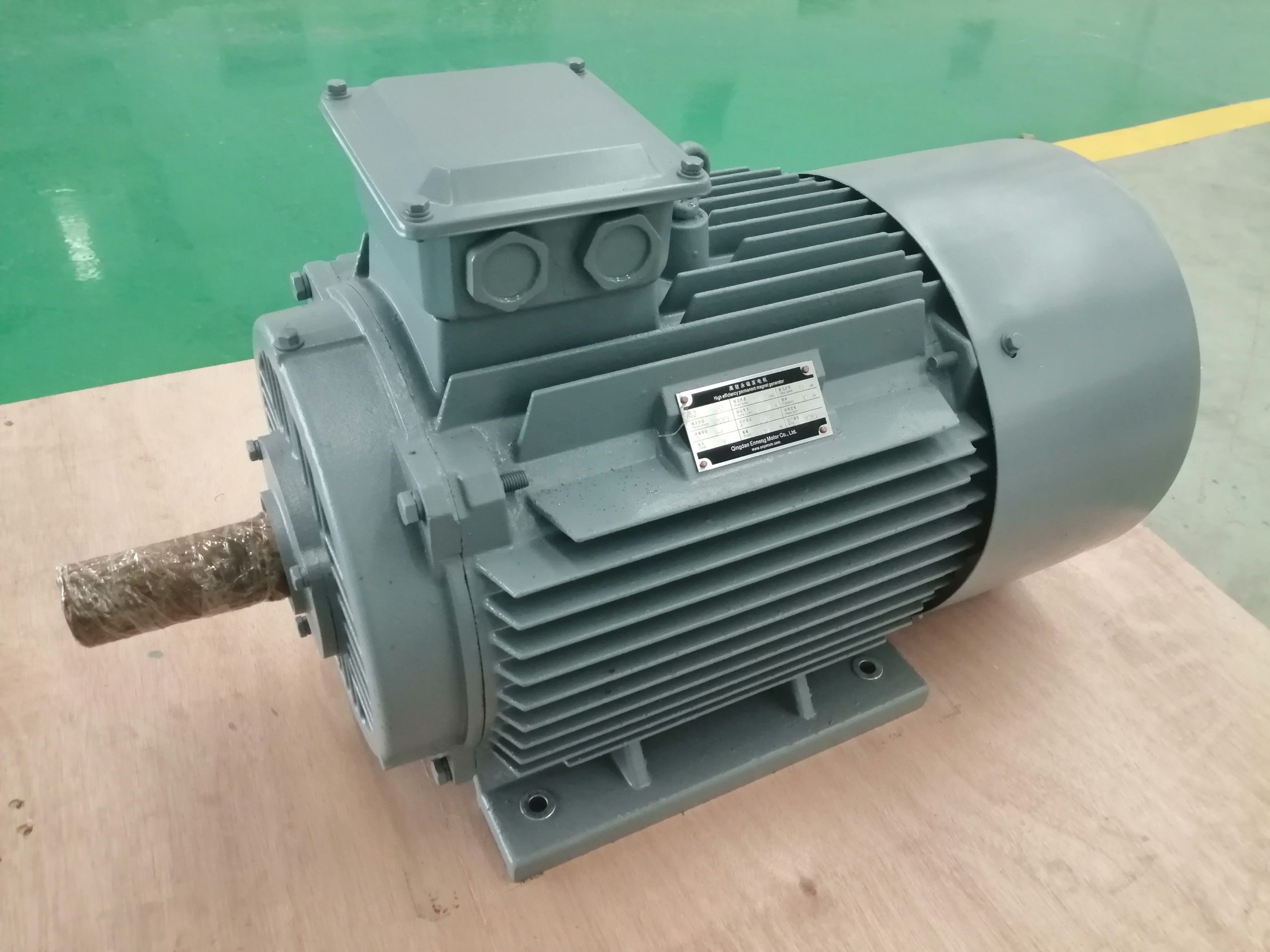
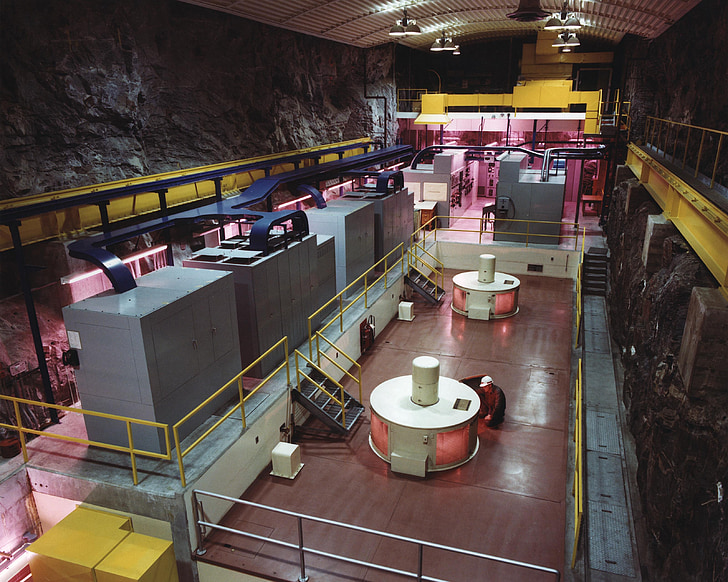
A sourcing page built around speed-power map, voltage, thermal duty, overspeed and converter.
Low rotational speed does not remove the need to define voltage behavior, cooling and the accepted electrical boundary. This page is for buyers evaluating a manufacturer or supplier, and does not replace the controlled data sheet issued for a specific order.
OEM and machine builder
Provide the machine envelope, interface drawing and release schedule. Ask for controlled configuration data that can be reused in the equipment file.
Retrofit owner or EPC
Provide measured duty, installed dimensions, utilities and outage limits. Keep assumptions and field verification tasks visible.
Distributor or system integrator
State the customer boundary, local standards, commissioning split, spare strategy and documents required for resale or integration.
What the supplier must close before an order.
For Low-RPM Permanent Magnet Generator, the project file should connect the duty, electrical package, cooling, mechanics, controls and acceptance plan. An open item needs an owner and due date.
Duty
Normal points, continuous limit, peaks, start and stop events, reversals, environment and expected operating distribution.
Interfaces
Voltage, drive or converter, feedback, cable, shaft, mounting, bearings, cooling utilities, protection and communication.
Acceptance
Controlled drawings, inspection points, test conditions, instruments, tolerances, reports, packing and handover records.
Why two quotations can carry the same label and different scope.
Ask each bidder to mark what is included, optional, excluded and supplied by others.
| Driver | Procurement effect |
|---|---|
| Operating envelope | Continuous and peak duty, speed range and thermal margin can change active materials, frame, cooling and drive size. |
| Mechanical customization | Shaft, flange, bearings, structural loads and installation envelope affect engineering and manufacturing work. |
| Electrical package | Voltage, winding, inverter or converter, feedback, cables, filters and protection change the complete scope. |
| Evidence and delivery | Witness tests, special instruments, document language, packing and site support change cost and schedule. |
Documents and evidence to request.
A serious offer makes the review boundary visible before the purchase order is released.
Proposal
Configuration summary, duty basis, deviations, exclusions, utilities and responsibility matrix.
Approval
Data sheet, outline and interface drawings, electrical data, sensor list and document schedule.
Release
Inspection and test records, final drawings, manuals, packing list and open-item closure.
Put acceptance requirements in the RFQ.
Inspection cannot recover a missing design requirement. Define the checks while bidders can still price and schedule them.
General rating and test terminology should be aligned with the applicable project standard. See the IEC 60034-1 publication page; the purchase order must identify the edition and project-specific criteria.
Questions to close before supplier nomination.
These answers help structure a review. The final offered data and contract documents control the supplied unit.
How should a buyer compare permanent magnet generator suppliers?
Issue the same duty file, interface drawing and acceptance schedule to every bidder. Compare the complete scope, exclusions, tests and documents rather than one nominal rating.
Can ENNENG confirm a configuration from a nameplate alone?
A nameplate is useful evidence, but it does not show the complete operating cycle, external loads, cooling condition, control behavior or undocumented site changes. Replacement work needs a field and interface review.
Which custom inputs change the quotation?
Speed and torque or power, voltage, cooling, shaft and mounting, external loads, control boundary, sensors, environment, tests, documents and delivery responsibilities all affect the offered configuration.
What should be inspected before shipment?
The purchase order should define document review, identity and visual checks, dimensional interfaces, electrical checks, applicable running tests, protection checks, packing and the final release record.
What happens after the RFQ is submitted?
The first response identifies missing decisive data and the proposed review boundary. A quotation should only follow once the supplier can state the configuration, exclusions and evidence that will control the order.
Send the duty data and receive a missing-input list.
Use the RFQ template or send the values you already know. The first review identifies the decisive gaps and a preliminary configuration route.